
The Science of Biomass: Debunking the “Worse Than Coal” Myth
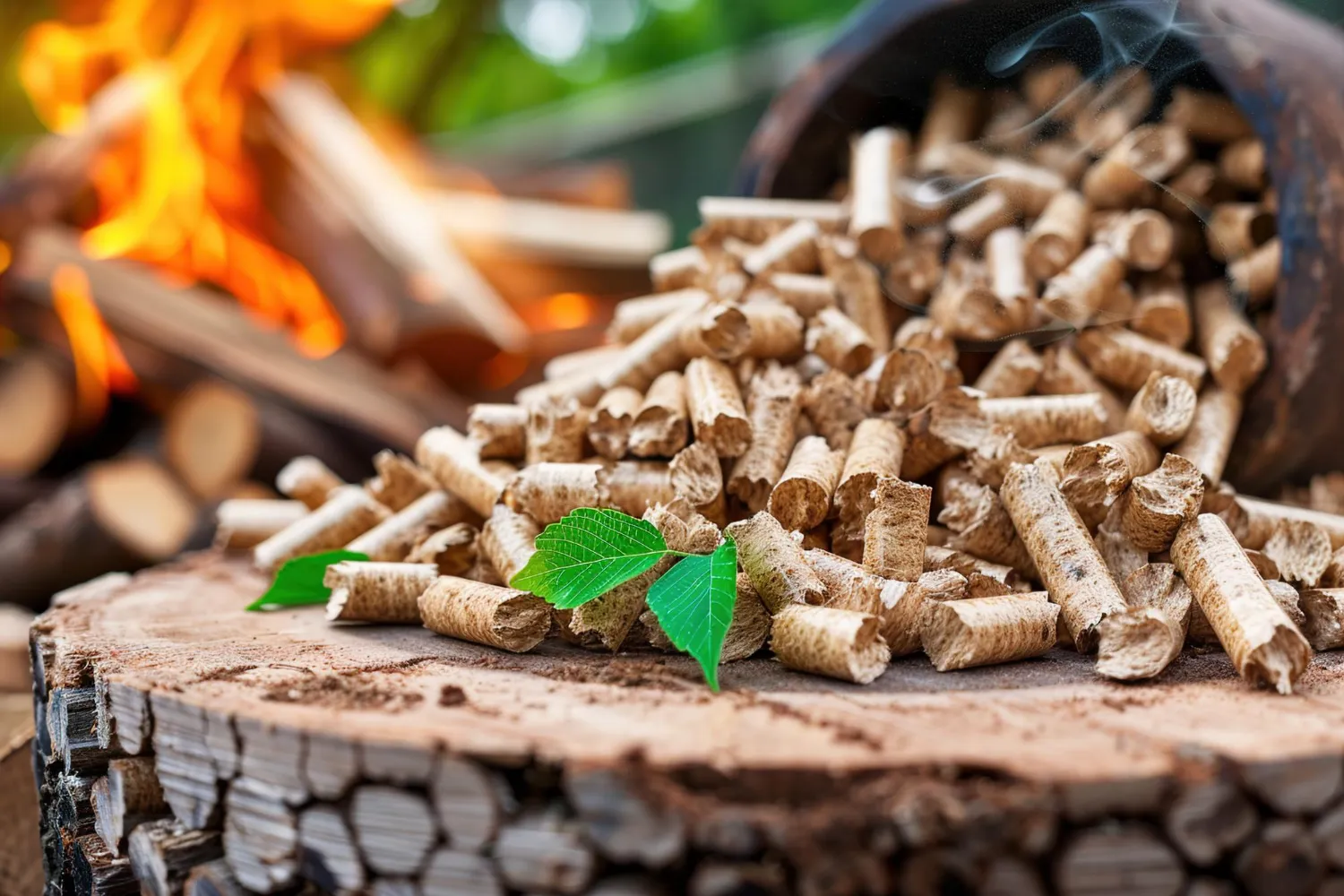
Is biomass just another “false climate solution”? It’s a damaging narrative, one that has gained traction through claims that burning biomass for energy is no better, or is even “worse,” than burning coal. This “greenwashing” allegation stems from a fundamental misunderstanding—or misrepresentation—of the science behind biomass energy. These claims often fail to distinguish the most critical difference in climate science: the difference between biogenic carbon and fossil carbon.
As the Indonesian Biomass Energy Producers Association (APREBI), we believe that policymakers, investors, and the public deserve the unadulterated facts. The concept of carbon neutral biomass is a valid, scientifically sound principle. This article will break down the real science of the carbon cycle, explain why sustainably sourced carbon neutral biomass is a vital tool for displacing fossil fuels, and detail why equating it to coal is scientifically inaccurate and dangerous to our shared energy transition. The journey to net-zero needs real solutions, and carbon neutral biomass is one of them. We must be clear about what carbon neutral biomass is.
The “Smokestack” Fallacy
The core claim leveled against carbon neutral biomass often centers on one specific data point: smokestack emissions. It is true that because biomass has a lower energy density than coal, more of it must be burned to produce the same amount of energy. This can result in higher immediate CO2 emissions at the point of combustion.
However, this comparison is profoundly misleading because it ignores the full picture. It’s like counting a bank withdrawal without ever acknowledging the deposit. The “smokestack” argument mistakenly treats all CO2 molecules as equal, when their origin—and their ultimate impact on the climate—is fundamentally different. This is the entire key to understanding the carbon neutral biomass concept. Any debate about carbon neutral biomass that stops at the smokestack is not a serious debate. The science of carbon neutral biomass goes much deeper.
A Tale of Two Carbons: Biogenic vs. Fossil
To understand why carbon neutral biomass is a real solution, we must first understand the tale of two carbons.
- Fossil Carbon (The Problem): Coal, oil, and natural gas are the remnants of ancient plants and animals that died millions of years ago. The carbon they contain has been locked away deep within the Earth’s crust, completely separate from the current atmospheric carbon cycle. When we burn fossil fuels, we are taking this ancient, sequestered carbon and releasing it as new CO2 into the atmosphere. This is a one-way street. It is a net addition of greenhouse gases, like constantly pouring water into an already full bathtub. This is the fundamental driver of climate change.
- Biogenic Carbon (The Cycle): Carbon neutral biomass comes from biogenic sources—plant matter like wood, agricultural residues, or palm kernel shells. This carbon is part of the Earth’s “short-term carbon cycle”. Here is how the carbon neutral biomass cycle works:
- Absorption: As a plant grows, it absorbs CO2 from the atmosphere through photosynthesis.
- Storage: That carbon is stored within the plant’s structure (wood, husks, shells) during its life.
- Release: When that biomass is used for energy, it releases the same CO2 that it recently absorbed from the atmosphere.
- Re-absorption: As long as the biomass is sourced sustainably—either from a continuously generated waste stream (like sawdust or palm kernel shells) or from a certified plantation where new trees are replanted—new plant growth absorbs that CO2, closing the loop.
Therefore, the combustion of carbon neutral biomass does not add new carbon to the atmosphere. It simply recycles carbon that is already part of the active biogenic cycle. This fundamental difference is why carbon neutral biomass cannot be compared to coal. The carbon neutral biomass system is a closed loop. This is the central, scientific argument for carbon neutral biomass.
Why Lifecycle Assessment (LCA) is the Only Metric That Matters
Focusing on stack emissions alone is a fallacy. The only scientifically accurate way to judge the climate impact of any fuel is through a comprehensive Lifecycle Assessment (LCA).
An honest LCA for carbon neutral biomass accounts for all emissions and absorptions across the entire supply chain:
- Carbon Sequestration: The CO2 absorbed by the biomass as it grew.
- Land-Use Change Emissions: Any emissions from converting land (which should be zero for sustainably sourced carbon neutral biomass).
- Processing & Transport Emissions: The small amount of fossil fuels used to harvest, pelletize, and ship the biomass.
- Combustion Emissions: The biogenic, neutral release of CO2.
- Avoided Emissions: Crucially, the LCA must also count the massive amount of fossil carbon that was not released because coal was displaced by carbon neutral biomass.
When a full LCA is conducted, the results are clear. Studies have shown that co-firing carbon neutral biomass can reduce lifecycle greenhouse gas emissions by 70-90% compared to burning only coal. This data is the ultimate verification of the carbon neutral biomass claim. APREBI is committed to this transparency and advocates for mandatory LCA studies and public disclosure for all carbon neutral biomass products to validate their sustainability credentials. This is how we prove carbon neutral biomass is a real solution.
The Non-Negotiable Foundation: Sustainable Sourcing
Of course, the entire “carbon neutral” status is conditional. The carbon neutral biomass claim depends entirely on a non-negotiable foundation: sustainable sourcing.
The “greenwashing” allegations are often based on worst-case, illegal scenarios, such as clearing natural forests to produce pellets. APREBI and its members unequivocally condemn such practices. Any such activity is not carbon neutral biomass; it is illegal logging.
The legitimate, regulated carbon neutral biomass industry in Indonesia is built on two primary sustainable pathways:
- Waste and Residues (The Ideal Case): A primary feedstock source is industrial and agricultural waste. This includes sawdust and offcuts from furniture factories, as well as Palm Kernel Shells (PKS) and Empty Fruit Bunches (EFB) from the palm oil industry. These materials have no carbon “time lag.” Using them for energy is a profound climate win, as it turns a waste product—which would otherwise rot and release methane, a powerful greenhouse gas—into a clean energy source. This is the clearest and most verifiable form of carbon neutral biomass.
- Certified Energy Plantations (HTI): When wood is used, it comes from legally designated Industrial Plantation Forests (Hutan Tanaman Industri, or HTI)—not pristine rainforests. These are cultivated, managed “tree farms” operating on designated production land. They are governed by mandatory regulations like the Timber Legality Verification System (SVLK). The continuous cycle of harvesting and replanting on these managed lands ensures the carbon loop is closed, validating the carbon neutral biomass status. The entire carbon neutral biomass supply chain must be certified.
This commitment to legality and sustainability is what separates legitimate carbon neutral biomass from the destructive practices used to tarnish the industry. APREBI’s full endorsement of No Deforestation, No Peat, and No Exploitation (NDPE) principles is the pledge that backs the carbon neutral biomass promise. Our members are committed to a supply chain for carbon neutral biomass that is completely delinked from deforestation. This is our standard for carbon neutral biomass.
The Unique Role of Carbon Neutral Biomass in the Grid
Finally, why bother with carbon neutral biomass if we have solar and wind? The answer lies in one word: dispatchability.
Solar and wind are pillars of our energy future, but they are intermittent—they stop generating power when the sun sets or the wind dies down. A modern grid requires a stable, 24/7 “baseload” power source to prevent blackouts. Today, that baseload is overwhelmingly provided by coal.
Carbon neutral biomass is the only scalable, renewable energy source that can provide stable, dispatchable, 24/7 power. It can be stored and used when needed. Crucially, it can be used in existing coal-fired power plants through co-firing, making it one of the fastest and most cost-effective ways for Indonesia to decarbonize its power sector. Carbon neutral biomass is not a competitor to solar and wind; it is an enabler. It provides the essential grid stability that allows more intermittent renewables to be safely added to the system. This strategic value makes carbon neutral biomass indispensable. The grid needs stable, carbon neutral biomass.
Conclusion: Beyond the Myth, Toward Real Science
The “worse than coal” myth is a dangerous simplification that ignores basic science. It confuses the recycling of biogenic carbon in the active carbon cycle with the net addition of fossil carbon that drives climate change.
The facts are clear:
- Carbon neutral biomass is based on the proven, short-term biogenic carbon cycle.
- Full Lifecycle Assessments (LCA) prove that carbon neutral biomass, when sourced from waste or certified plantations, delivers massive GHG reductions (70-90%) compared to coal.
- The legitimate carbon neutral biomass industry in Indonesia is focused on turning waste streams into value and managing certified plantations—not deforestation.
- Carbon neutral biomass plays a unique, essential role in providing the stable, dispatchable renewable energy needed to stabilize the grid and displace coal.
This is not “greenwashing.” This is carbon neutral biomass, a proven, measurable, and essential tool in the fight against climate change. APREBI is fully committed to the transparency and sustainable practices required to prove that our carbon neutral biomass is a real and credible climate solution. Our future depends on using every tool we have, and carbon neutral biomass is one of the most powerful. We stand by the science of carbon neutral biomass.
