
Certification: Bedrock of Indonesia’s Sustainable Biomass
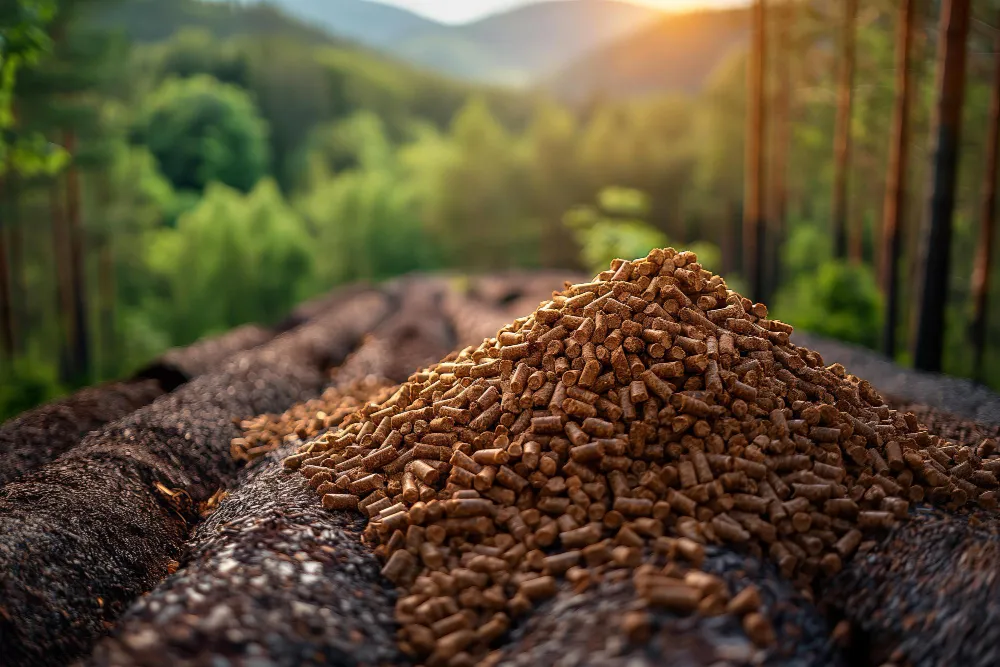
In a global market flooded with “green” claims, how can you verify sustainability? For international buyers, investors, and partners looking at Indonesia, this question is critical. The stakes are high, with markets like Japan and South Korea importing massive volumes of biomass to meet their own climate goals. Allegations of greenwashing, illegal sourcing, and data discrepancies create significant reputational and legal risks.
For Indonesia’s legitimate sustainable biomass industry, the answer isn’t just a promise—it’s a legal requirement. The Indonesian Biomass Energy Producers Association (APREBI) and its members are committed to a framework of mandatory national certifications. These systems, primarily SVLK and ISPO, are the bedrock of our commitment. They provide the traceability and legal assurance that separates legitimate, verifiable producers from the rogue operators who tarnish the sector’s reputation. This is the foundation of the sustainable biomass industry we are building.
The Problem: Separating Fact from Fiction
The sustainable biomass industry faces a serious challenge. Reports from NGOs have, in some cases, highlighted illegal operations, such as alleged forest clearing in Gorontalo. Furthermore, analyses pointing to trade data discrepancies create an atmosphere of suspicion.
We acknowledge these issues. However, these reports often conflate the actions of illegal, uncertified operators with the practices of the mainstream, regulated sustainable biomass industry. APREBI unequivocally condemns any illegal logging. Our members are subject to a robust legal framework designed to prevent exactly these activities. This framework is the key to trust, and it begins with our national standards. The future of the sustainable biomass industry depends on this distinction.
The Legal Backbone: SVLK (Timber Legality Verification System)
For any wood-based biomass—including wood pellets and wood chips—the cornerstone of legality is the Sistem Verifikasi Legalitas Kayu (SVLK).
What is it? SVLK is Indonesia’s mandatory national timber legality and sustainability assurance system. It was developed to combat illegal logging and improve forest governance, and it is recognized by international partners, including the EU.
How does it work for the sustainable biomass industry?
- Mandatory Compliance: SVLK is not optional for timber producers, processors, and exporters. Any legitimate biomass producer handling wood-based products must be compliant.
- Traceability (Chain of Custody): SVLK provides a chain of custody, ensuring that the wood feedstock is legally sourced and traded from its origin to the point of export.
- Source Verification: This is the critical point. SVLK verifies that wood feedstock from plantations originates from legally designated Industrial Plantation Forests (Hutan Tanaman Industri, or HTI)—not from protected conservation areas or primary rainforests. It also provides a legal pathway for verifying industrial wood waste, such as sawdust from a certified furniture factory.
When critics allege that biomass is sourced from “natural forest destruction”, they are, by definition, describing an illegal activity that violates SVLK. APREBI and its members champion 100% SVLK compliance as the first line of defense against illegal timber entering the sustainable biomass industry supply chain. This is a non-negotiable for the sustainable biomass industry.
The Agricultural Standard: ISPO (Indonesian Sustainable Palm Oil)
A significant portion of Indonesia’s biomass exports, particularly to Japan and South Korea, comes from agricultural residues, primarily Palm Kernel Shells (PKS) and Empty Fruit Bunches (EFB). This is a prime example of the circular economy, turning waste into value.
But how do buyers know this palm-based biomass is “sustainable”? The answer is the Indonesian Sustainable Palm Oil (ISPO) certification.
What is it? ISPO is the mandatory national standard for sustainable palm oil production, established by the Indonesian Ministry of Agriculture.
How does it work for the sustainable biomass industry?
- Ensures Legal Land Use: ISPO principles cover the entire plantation, not just the oil. This includes criteria for legal land rights and good agricultural practices.
- Sustainable Sourcing: By sourcing PKS and EFB from ISPO-certified mills and plantations, biomass producers can provide verifiable assurance that these byproducts come from a legally compliant and sustainably managed source.
APREBI acknowledges the challenges in ISPO implementation, such as accelerating certification coverage. However, our commitment is clear: we advocate for sourcing exclusively from ISPO-certified or verifiably sustainable plantations. This commitment is vital for the credibility of the sustainable biomass industry that relies on these valuable waste streams. We are actively working with partners to accelerate ISPO adoption, strengthening the entire sustainable biomass industry.
Meeting Global Expectations: Voluntary International Standards
Our commitment to the sustainable biomass industry does not stop at national borders. APREBI encourages its members to pursue leading international certifications to meet the highest global benchmarks. These include:
- Forest Stewardship Council (FSC): A global gold standard for responsible forest management.
- Programme for the Endorsement of Forest Certification (PEFC): A worldwide program endorsing national certification systems.
- Sustainable Biomass Program (SBP): A certification scheme designed specifically for woody biomass used in large-scale energy production, providing a clear mechanism to demonstrate legality and sustainability to European power generators.
This multi-layered approach ensures that buyers in any market—whether in Asia or Europe—can receive a product that meets their specific legal and sustainability requirements. This is what a mature, responsible sustainable biomass industry does.
The Future: Digital Traceability and Total Transparency
Certification is the bedrock, but the future is digital. APREBI is actively moving to enhance the integrity of the sustainable biomass industry by spearheading the development of comprehensive, digital traceability systems.
This is our answer to concerns about data discrepancies and fraud. Our vision includes a system that will:
- Track Biomass from Source: Assign a unique identifier to trace biomass back to its specific origin—be it an HTI concession, sawmill, or palm oil mill.
- Integrate with Certifications: Automatically verify the SVLK and ISPO status of the source in real-time.
- Provide Verifiable Data: Offer buyers, regulators, and stakeholders a transparent dashboard, potentially using blockchain technology to ensure data integrity.
This is the path forward for the entire sustainable biomass industry.
Conclusion: Certification is Not a Claim, It’s Your Assurance
In a world of noise, trust is built on verification. The allegations against the biomass sector almost always describe activities that are illegal and uncertified.
For investors, buyers, and partners, the message is simple: certification is your shield. It is the verifiable, legally-binding mechanism that separates the legitimate sustainable biomass industry from the illegal operators.
When you partner with an APREBI member, you are not just buying biomass. You are sourcing from a producer committed to a mandatory legal framework like SVLK, a producer committed to sustainable agricultural sourcing under ISPO, and a partner in building a transparent, digital, and fully traceable sustainable biomass industry. That is the difference between a risky “green claim” and a credible climate solution.
