
Indonesia’s Biomass: Turning Waste into a Climate Solution
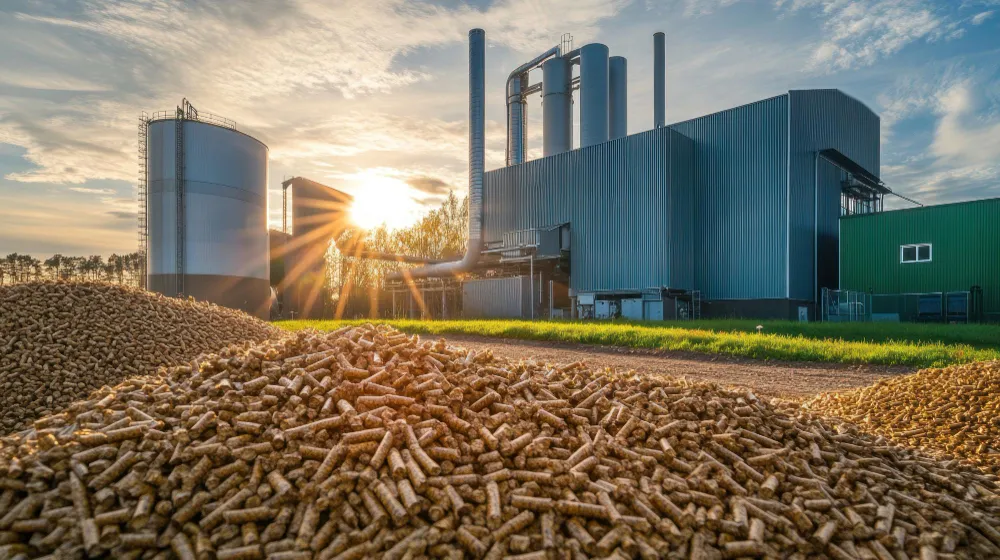
When many people hear “biomass energy,” they picture forests being cleared. The Indonesian Biomass Energy Producers Association (APREBI) is here to set the record straight. The reality of our industry isn’t about deforestation; it’s about a sophisticated “waste-to-value” model. Before it becomes clean energy, our feedstock is often sawdust on a factory floor or a leftover palm kernel shell. This is the heart of sustainable biomass: turning what would be discarded into a vital climate solution. We are mining ‘green gold’ from Indonesia’s vast waste streams, proving that sustainable biomass is a key pillar of the circular economy. This is what sustainable biomass truly means.
The Feedstock Facts: From Waste to “Green Gold”
So, where does this feedstock come from? The legitimate sustainable biomass industry, represented by APREBI, prioritizes a hierarchy of sustainable inputs. The primary sources are industrial wood waste—like sawdust, wood shavings, and offcuts from furniture factories—and agricultural residues, most notably Palm Kernel Shells (PKS) and Empty Fruit Bunches (EFB) from the palm oil industry. This isn’t just a claim; it’s our business model for sustainable biomass. Utilizing these materials is the definition of sustainable biomass. Instead of being burned in the open or left to rot (releasing methane), these byproducts are converted into high-value, clean energy. This is what sustainable biomass production looks like.
A True Circular Economy in Action
This “waste-to-value” approach is the circular economy in action. Indonesia generates over 146 million tons of biomass potential annually, much of it in the form of waste. Left unmanaged, this waste poses its own environmental hazards, from air pollution to methane emissions. The sustainable biomass industry provides a powerful solution. We are, in effect, a massive waste management partner, taking problematic residues and processing them into a dispatchable, clean energy source. This process of creating sustainable biomass pellets and chips directly displaces coal in power generation, contributing significantly to Indonesia’s greenhouse gas reduction targets. This dual-benefit is what makes sustainable biomass a true climate solution.
What About Plantations?
To be clear, waste isn’t the only source. The sustainable biomass industry also sources from certified energy plantations, known as Hutan Tanaman Industri (HTI). It’s critical to understand that these are not pristine, natural rainforests. These are designated, managed, and cultivated forests, operating under strict government regulations like the mandatory Timber Legality Verification System (SVLK). This is a crucial part of the sustainable biomass supply chain. APREBI is committed to ensuring these sources are managed responsibly, adhering to No Deforestation, No Peat, and No Exploitation (NDPE) principles. This ensures that all feedstock, whether from waste or plantations, meets the standard for true sustainable biomass. This commitment to legal, sustainable biomass is non-negotiable.
The Future is Sustainable Biomass
The narrative of deforestation is outdated and inaccurate. The modern Indonesian biomass industry is a story of innovation and resourcefulness. It’s about finding value where others see waste. APREBI and its members are committed to leading this charge, championing a future built on a genuine circular economy and sustainable biomass. By transforming industrial and agricultural residues into a reliable energy source, we are not just powering nations; we are building a cleaner, more resilient future. This is the real story of sustainable biomass in Indonesia. Our commitment to sustainable biomass is firm.
