
About Us
- Home
- About Us

Championing Sustainable Biomass Energy for Indonesia
Our clients’ needs are constantly changing, so we continually seek new and better ways to serve them. To do this, we are bringing new talent into the firm, acquiring new companies, and developing new capabilities, for example, in design.
We serve clients at every level of their organization, whether as a trusted advisor to top management or as a hands-on coach.
Our Vision: A Green & Energy-Independent Nation.
We envision a future where Indonesia’s economic growth is powered by clean energy, where our natural resources are managed in a regenerative cycle, and where our nation stands as a global leader in sustainability. We believe that biomass is not just an alternative fuel; it is a key part of the solution to climate change and a cornerstone of a truly circular economy.Our Mission: From Waste to Watts
APREBI’s core mission is to champion the development of a biomass industry that is both environmentally sustainable and economically beneficial. We do this by:
- Uniting Stakeholders: We serve as the primary platform for collaboration between biomass producers, technology providers, government bodies, agricultural industries, and local communities.
- Promoting Innovation: We drive the adoption of modern, efficient technologies to convert agricultural and forestry residues into high-value green energy.
- Advocating for Sustainability: We are steadfastly committed to policies and practices that protect our environment. We champion a model that is based on resource efficiency, not resource depletion.
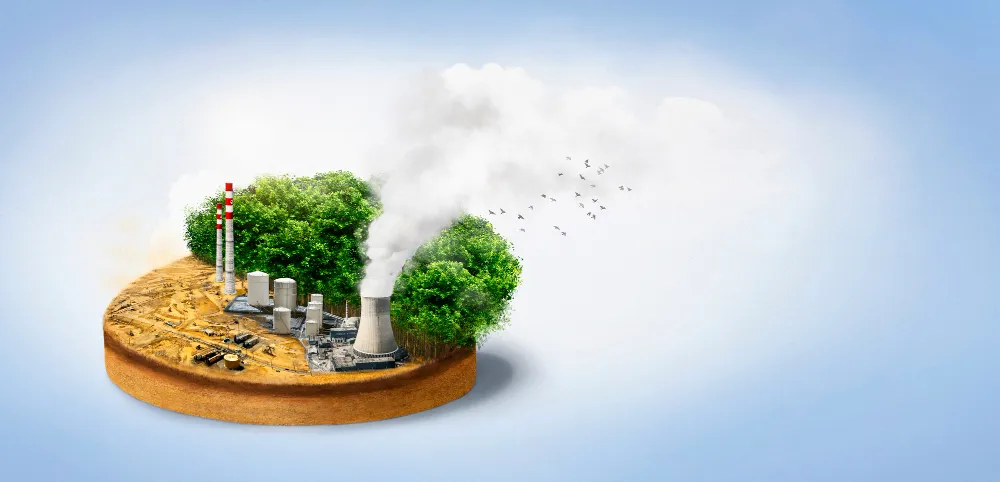
Our Principles: Sustainability is Non-Negotiable
It is crucial to understand what Indonesian biomass is—and what it is not.
1. Biomass is Not Deforestation—It is a Solution. Our industry is not built on cutting down forests. It is built on using what nature already gives us—the by-products of our nation’s existing, vital industries. Indonesia has over 120 million hectares of forest, and we are committed to protecting it. Our work is supported by national sustainability systems like SVLK (the Timber Legality Assurance System), which guarantees that all forest products come from legal and sustainable sources.
2. We Transform Waste into Opportunity. Our palm oil industry, covering around 16.3 million hectares, produces millions of tons of palm oil annually. This process also generates massive amounts of by-products:
-
Palm Kernel Shells
-
Empty Fruit Bunches
-
Palm Trunks
These materials are not waste; they are a valuable, untapped energy resource. APREBI helps transform this “waste” into clean energy, reducing 0.94 tons of CO₂ emissions for every ton of palm kernel shell used.
3. We Operate in a Regenerative Cycle. The total area used for biomass production (from both palm waste and dedicated wood pellets) represents less than one percent of Indonesia’s total forest area.
In the case of managed energy crops, such as Gamal or Calliandra, our model is fully renewable. When crops are harvested, they are replanted. This turns managed areas into living energy ecosystems, proving that nature and industry can grow together in balance.